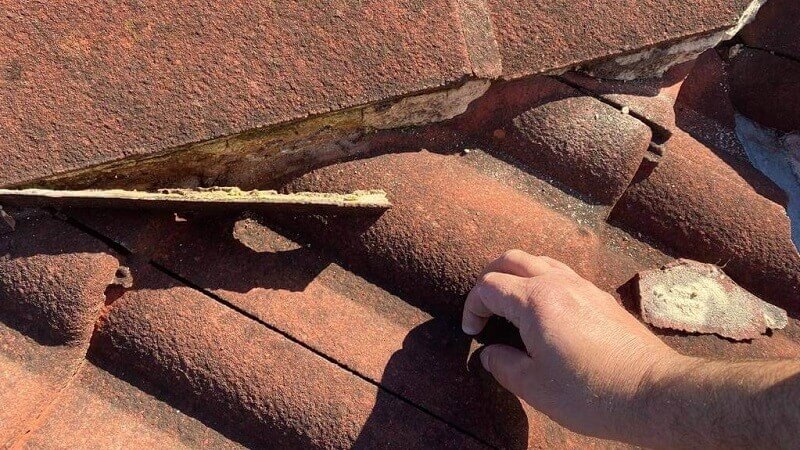
Key Takeaways
- Document damage immediately with photos before making any repairs
- Report damage promptly and follow the notification steps in your policy
- Cover and exclusions vary, so check the policy rather than assuming a loss is covered
- A $299 RoofingCorp roof report can document the observed damage and recommended repairs
- Keep receipts for temporary work; reimbursement depends on the policy and insurer approval
When a storm damages your roof, the last thing you want is insurance claim headaches. But understanding the process before disaster strikes can make a significant difference to how clearly you can document what happened.
This guide covers everything Sydney homeowners need to know about claiming roof damage on insurance—from documenting damage correctly to understanding what's covered and how a roof report can document the condition and recommended work. Your policy and insurer decide the claim outcome.
The 6-Step Insurance Claim Process
- Document Immediately — Take photos and videos of all damage before making any repairs. Note the date, time, and weather conditions.
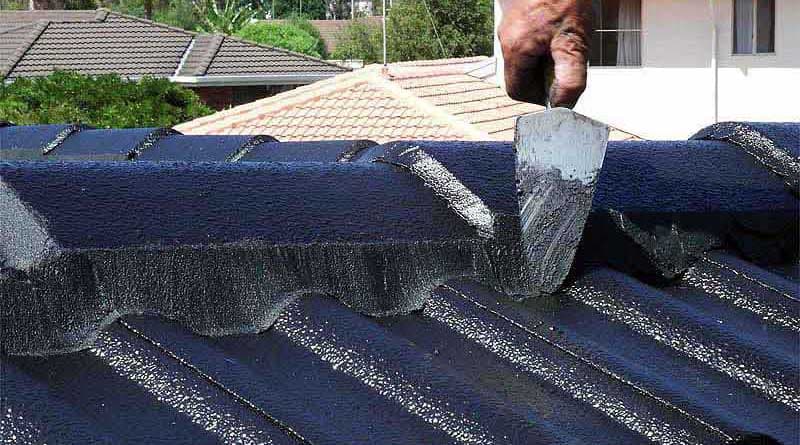
- Make Emergency Repairs — Do only what's necessary to prevent further damage (tarps, temporary fixes). Keep all receipts.
- Contact Your Insurer — Report the damage promptly and follow the notification steps in your policy.
- Ask What Documentation Is Needed — Your insurer may request a licensed roofer’s condition report or repair quote.
- Submit Your Claim — Provide all documentation to your insurer including the roof report and quotes.
- Await Assessment — Your insurer may send an assessor. Once approved, you can proceed with repairs.
What Does Insurance Cover?
Typically Covered
- Storm damage (wind, hail, fallen trees)
- Fire damage
- Falling objects (branches, debris)
- Vandalism and malicious damage
- Impact from vehicles or aircraft
- Lightning strikes
Typically NOT Covered
- Gradual wear and deterioration
- Lack of maintenance
- Pre-existing damage
- Damage from tree roots
- Rust (unless from covered event)
- Cosmetic issues not affecting function
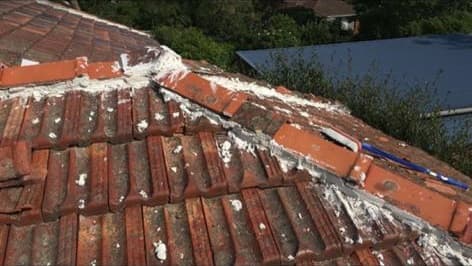
The key distinction is sudden damage vs. gradual deterioration. If a storm blows tiles off your roof, that's typically covered. If tiles are cracked from years of sun exposure, that's wear and tear—not covered.
Why a Professional Roof Report Matters
Benefits of Professional Documentation
A detailed roof condition report can give you and the insurer a clearer record of the roof:
- Provides independent, professional documentation of damage
- Clearly identifies the cause (storm vs. pre-existing issues)
- Includes detailed photos with expert annotations
- Outlines all required repairs with accurate costings
- Provides information for the insurer or assessor to consider
- Separates observed damage from the recommended repair scope
RoofingCorp’s roof reports start at $299, include photos and recommendations, and are delivered within five business days. Ask your insurer what it requires before ordering.
Tips for a Successful Claim
- Act promptly — Document the damage, make the property safe and follow the notification timing in your policy.
- Keep everything — Save all photos, videos, receipts, and correspondence. Create a dedicated folder for claim documentation.
- Know your policy — Review your policy before claiming. Understand your excess, coverage limits, and what's specifically included.
- Be specific about the cause — "Storm on [date]" is better than "weather damage." Reference specific events that caused damage.
- Ask what documentation is needed — The insurer can tell you whether it wants a roof report, quote, assessor visit or other information.
- Don't exaggerate — Stick to facts. Exaggerated claims get rejected and can void your entire policy.
Frequently Asked Questions
What roof damage does insurance cover?
Policies often cover certain sudden events and exclude wear, maintenance or pre-existing damage, but terms differ. Read the product disclosure statement and ask the insurer about your circumstances.
How do I document roof damage for insurance?
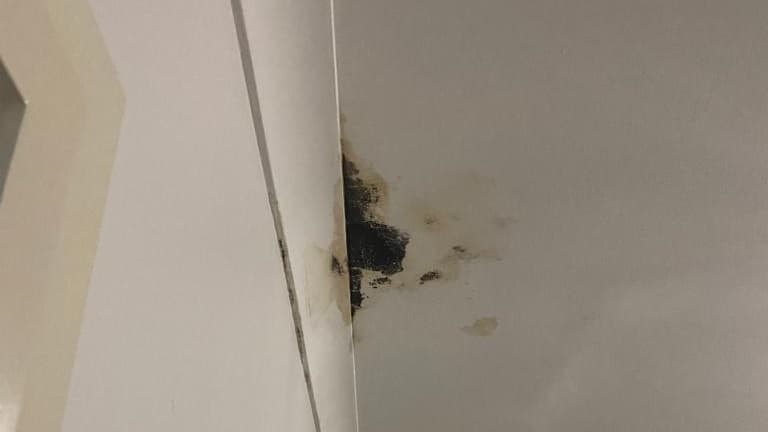
Document damage immediately with clear photos and videos from multiple angles. Capture the overall roof, close-ups of damage, and any interior water damage. Note the date, time, and what caused the damage.
Should I make temporary repairs before claiming?
Make the property safe and take reasonable steps to prevent further damage, but check with the insurer before permanent work. Keep photos, receipts and the claim reference. Reimbursement depends on the policy and approval.
How quickly should I report roof damage?
Report damage promptly and follow the timing and method stated in your policy. If you are unsure, call the insurer and note the claim reference and instructions.
Do I need a roof report for insurance claims?
A roof report can document observed damage, the likely cause and recommended repairs, but it does not guarantee cover or approval. Ask the insurer whether a report is required for your claim.
What if my insurance claim is rejected?
If your claim is rejected: request a detailed written explanation, review your policy, consider getting additional professional opinions, lodge a formal dispute with your insurer, and if needed, contact the Australian Financial Complaints Authority (AFCA).
Don't Let Roof Damage Claims Overwhelm You
Insurance claims for roof damage don't have to be stressful. By documenting damage, reporting promptly and following the policy steps, you can give the insurer a clearer record to assess.
RoofingCorp can provide a $299 roof condition report with photos and repair recommendations within five business days. The insurer decides whether the loss is covered and what documentation it will accept.
Storm damage your roof? Get a professional roof report or contact us for urgent assessment and professional documentation to support your claim.

RoofingCorp
Licensed RooferSydney Roofing Team
RoofingCorp has worked on Sydney roofs since 1994. We explain the likely cause, practical options, price and relevant warranty terms in clear language before work begins.